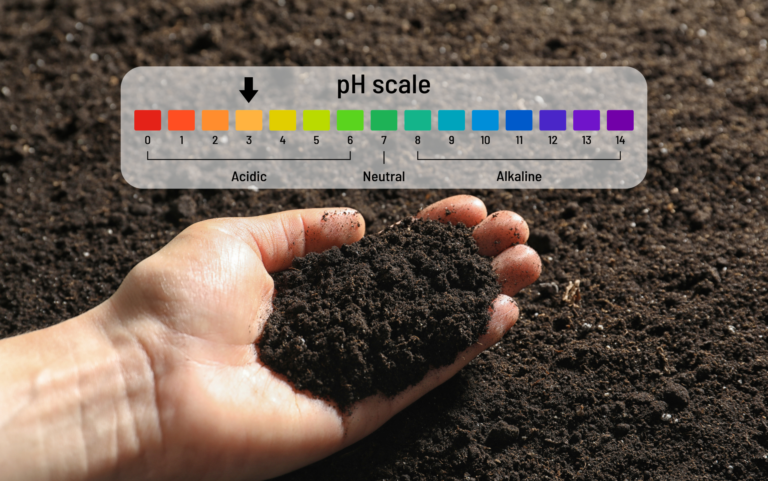
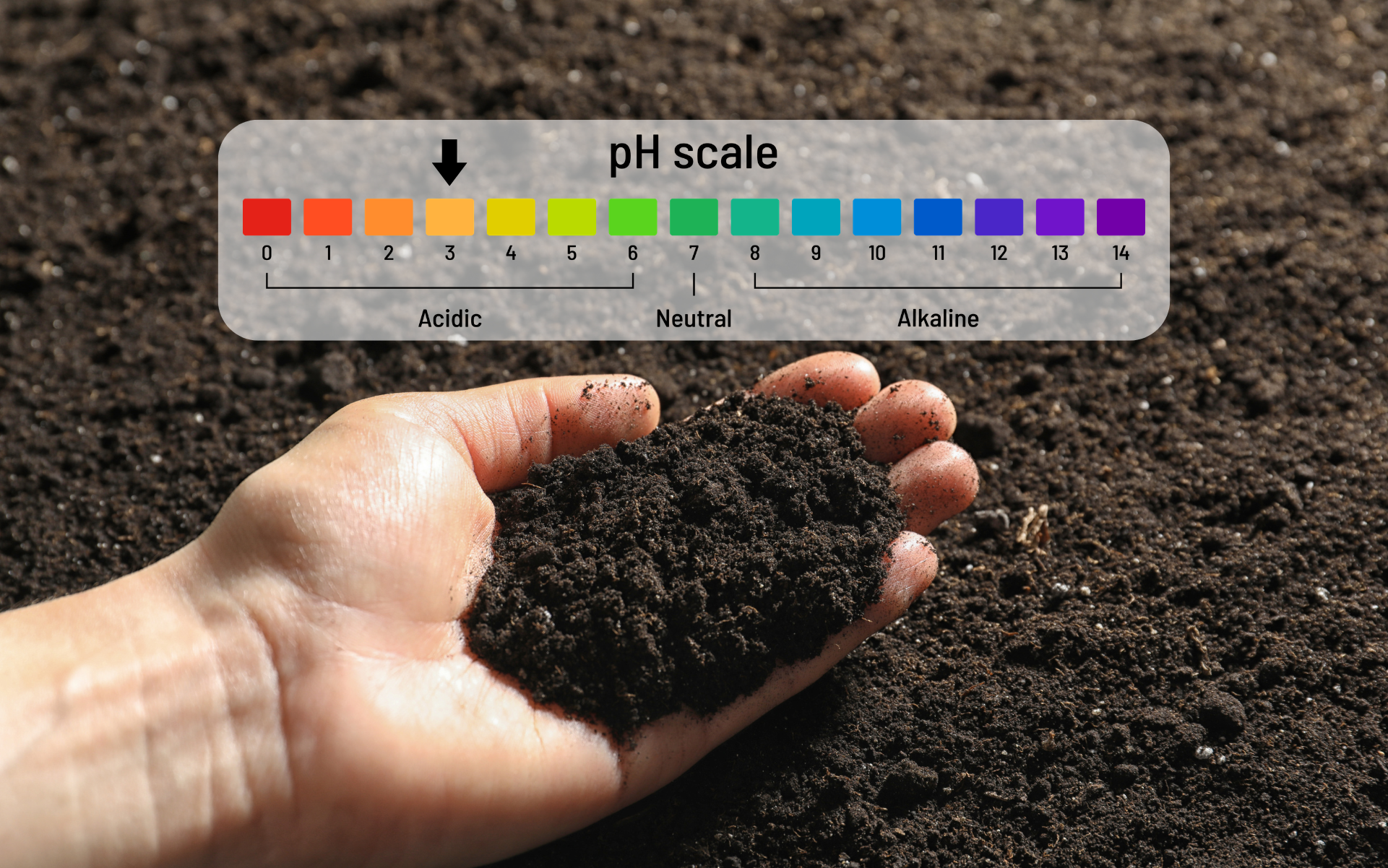
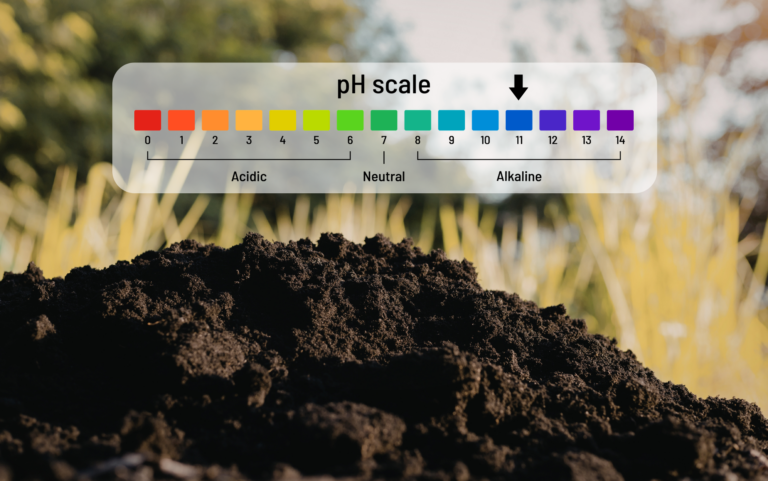
The pH value indicates how acidic or alkaline your soil is – on a scale from 0 (very acidic) to 14 (very alkaline). The ideal range for most garden plants is between 6.0 and 7.0.
If the value falls below this range, the soil is considered acidic. The problem: many nutrients such as nitrogen, phosphorus, and potassium become less available to plants in overly acidic soil – even if they are present in the ground. The plant simply cannot absorb them.
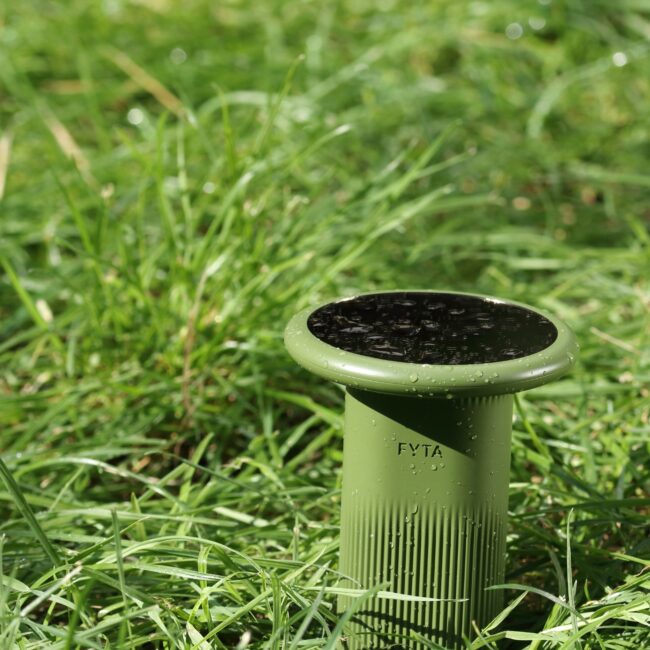
The ideal pH value for lawns is 6.0–7.0. Acidic soil promotes moss and weakens the grass.
What you can do:
Apply lime. The classic treatment for lawns is calcium carbonate (ground limestone). It works slowly and gently, and is suitable for regular use every 2–3 years. For severely acidic soil, calcium oxide (quicklime) can be used – it works faster but is more aggressive and should only be applied when truly necessary.
Mind the dosage. Follow the recommended amount on the packaging – overdosing will do more harm than good.
Distribute the lime evenly. A spreader works best. If you don’t have one, fill the lime into a bucket in portions and spread it by hand across the surface. Always wear gloves.
Water thoroughly. After applying the lime, water the lawn well so the lime is worked into the soil.
Be patient. The pH value rises slowly – measure again after at least 6–8 weeks.
Best time to lime: Autumn or early spring – before the main growing season, so the lime has time to take effect before the plant is in full growth.
Garden Bed: Raising the pH Value
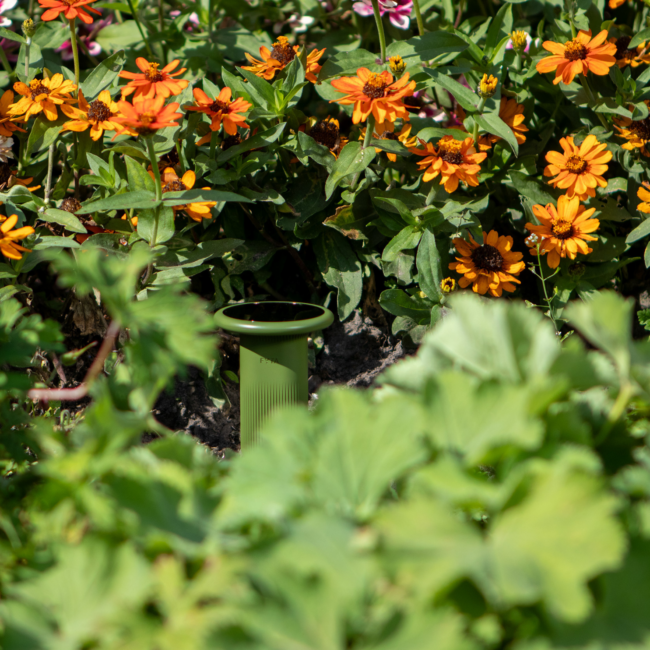
The ideal pH value for vegetable and flower beds is usually 6.5–7.0, depending on the plant.
What you can do:
Work garden lime into the soil. Calcium carbonate is the gentlest option here too. Spread it over the bed and work it into the top 10–15 cm of soil using a hoe or garden fork.
Use wood ash as a natural alternative. Wood ash contains potassium and calcium and raises the pH value moderately. Spread it thinly and work it in. Avoid using it on sensitive plants like tomatoes or berries, as these prefer slightly acidic soil.
Add compost. Compost improves soil structure and helps stabilise the pH value in the long run. It doesn’t replace lime but supports its effect.
Measure again after 4–6 weeks and adjust if needed.
Important: Do not lime and apply nitrogen-based fertiliser at the same time – the two measures cancel each other out.
Potted Plant: Raising the pH Value
The options for potted plants are more limited, but there are two effective approaches.
Option A – Replace the Soil (recommended for severely acidic soil)
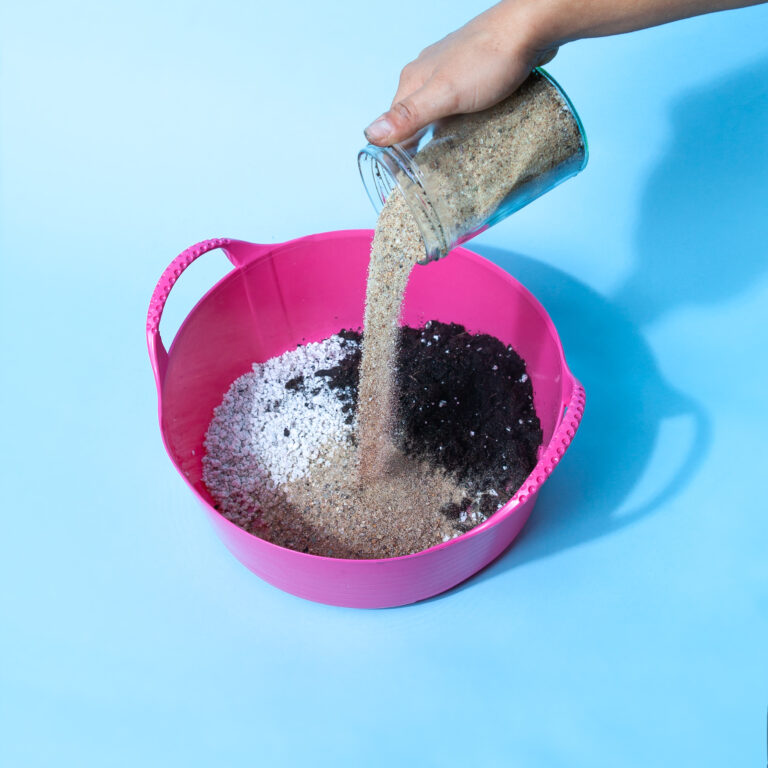
Carefully remove the plant from the pot and take out at least 50–70% of the old soil.
Use fresh, pH-neutral potting soil – the pH value is usually stated on the packaging and should be between 6.0 and 7.0.
Repot the plant, water it well, and keep an eye on it.
Option B – Correct the pH Value in Existing Soil
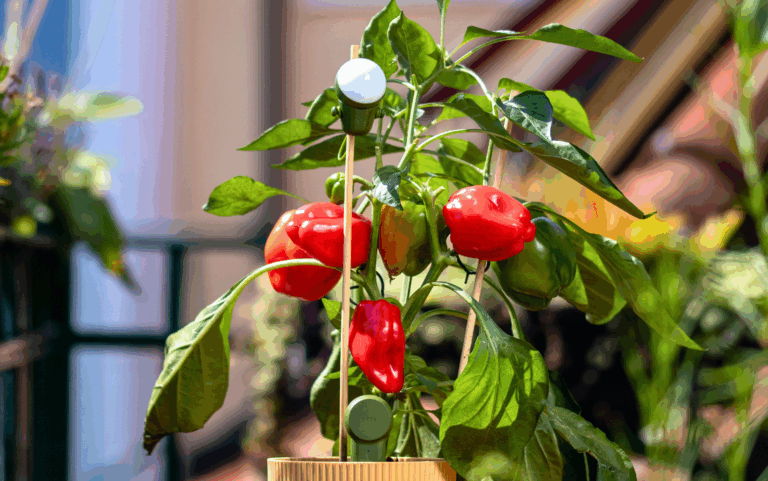
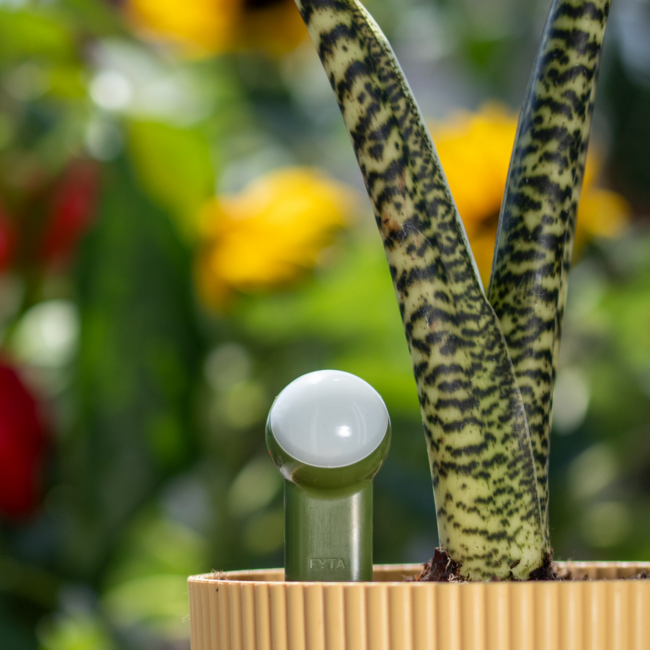
When your plant is thirsty – your FYTA sensor will notify you when it’s time – work a small amount of finely ground lime suitable for potted plants into the soil. Be careful not to damage any roots while doing so. Then water as normal straight away, so the lime can distribute through the substrate. Small pots react quickly, so use less and adjust if needed.
Measure the pH value again after 2–3 weeks and repeat if necessary.
Tip: Tap water is often slightly alkaline and can gradually raise the pH value in a pot over time. Very soft or filtered water may have the opposite effect.
Quick Overview
Use Case
Method
Effect
Speed of Action
Lawn
Calcium carbonate (ground limestone)
Raises pH, strengthens grass growth, reduces moss
Medium
Calcium oxide (quicklime)
Raises pH quickly, for severe deficiency only
Fast
Bed
Calcium carbonate (garden lime)
Raises pH, gentle on plants
Medium
Wood ash
Raises pH moderately, supplies potassium and calcium
Medium
Compost
Stabilises pH, improves soil structure
Slow
Pot
Replace soil
Brings the pH value to the ideal range in one go
Immediate
Work in lime
Raises pH moderately, gentle on the plant
Medium
After every measure: be patient and re-measure. The pH value does not change overnight.


 FYTA
FYTA